Beauty on the Wild Side – The spirited wild horses and habitat of Sable Island, NS
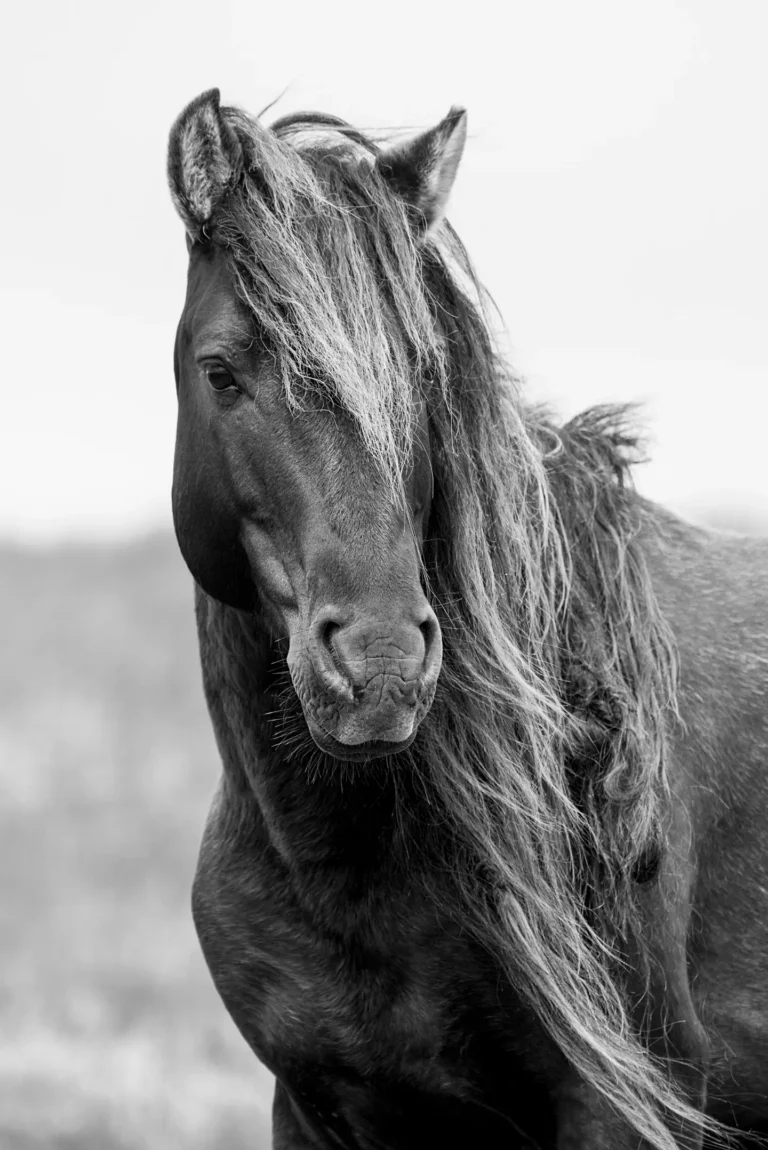
The spirited wild horses and habitat of Sable Island, Nova Scotia
Written by Lorie Steiner. Photography by Sandy Sharkey
Located 290 km southeast of Halifax, Nova Scotia, a narrow, crescent-shaped isle of shifting sand called Sable Island is a wonder to behold. Home to wild horses, grey seals, unique plants, birds and insects, this treasured island has also been referred to as “The Graveyard of the Atlantic” due to the more than 350 shipwrecks off its shores.
Sandy Sharkey is a renowned professional photographer, presenter and an experienced Sable Island tour guide with Kattuk Expeditions. Her love of wild horses comes shining through in her photos that quite literally take your breath away. Just imagine seeing these beauties in person! Many thanks to Sandy for her generosity in sharing tales of her island journeys, and the exquisite images that capture her passion for these animals through a very long lens.
First time on Sable
When she was young, Sandy was fascinated with horses. She read books about Sable Island ponies, as they were known back then, and used to dream about this magical windswept island out in the ocean that has horses on it with big, long manes. As an adult, she tried to figure out how to get on to Sable Island but it was really difficult. Prior to 2013, when the island was turned into a National Park Preserve, it was a scientific community of researchers monitoring the island’s unique weather conditions, biology and botany but it wasn’t open to regular visitors.
Today, Parks Canada makes sure the park is open to visitors while keeping the island pristine with very controlled visitation. “I was on one of the first trips to Sable Island in 2014,” Sandy recounts. “I just couldn’t wait. We arrived by ship that was anchored a mile off the island and continued to the island by Zodiac boat. That was my first experience and it was exactly what I pictured and more. The beautiful landscape, the sand dunes, grasses, ocean, beaches… but nothing can compare to what it felt like seeing those wild horses for the first time. I’ve been back more than 30 times and am very thankful to be partnering with Fred Stillman at Kattuk Expeditions as a guide and encouraging people to come along and see this fabulous slice of sandbar in the Atlantic Ocean that’s home to between 350 and 500 wild horses.”
Seals, seals and more seals
It’s a thrill to be on Sable Island at any time of year, even in winter, when the island is host to the world’s largest grey seal breeding colony – 350,000 of them! Surprisingly, the temperatures in winter are quite moderate, milder than mainland Nova Scotia because of the temperate currents from the south. Parks Canada ensures that winter visitation is at the end of the breeding season so there’s no interference when the newborn seal pups are in a fragile state and dependent on their mothers.
Sandy explains, “We’re allowed to set foot on the island in late January/early February when the babies are on their own. The mothers nurse them with very rich milk and the babies grow so fat and so big that when we’re on the island we see these massive ‘footballs’ everywhere. Mom has already gone back to the ocean and the pups rely on their fat reserves. They have such a thick layer of fur that they would sink if they went in the water, so they stay on the island until that fur is shed and then instinctively go out to sea. When we’re on the island, the seal pups still have their big winter coats on.”
Remember me?
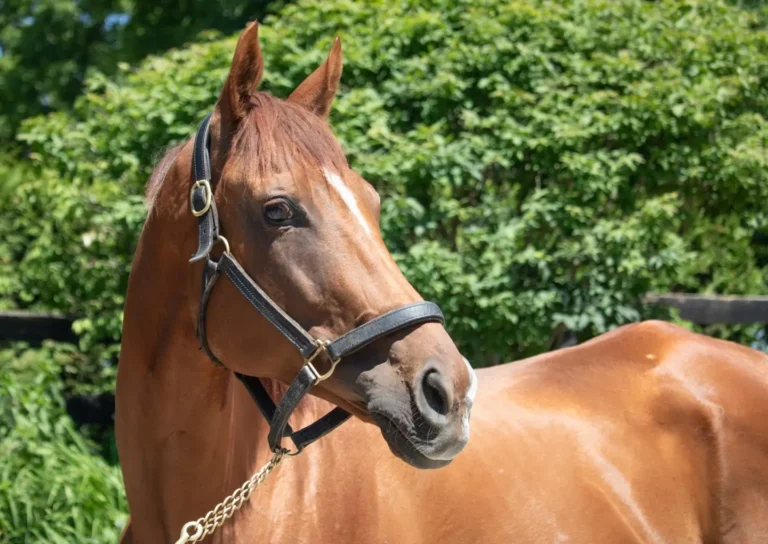
It’s always a joy for Sandy when she’s photographed a wild horse that caught her attention and then recognizes it again on another trip to Sable Island. She shares, “This one particular mare was absolutely stunning – as a yearling, she was covered in baby fur in various stages of shedding and kind of unruly but the thing I noticed is that she had one blue eye. That really stood out and a year later I was back on the island watching a family band walk near the freshwater ponds, through my big lens I thought I spotted a blue eye. When I went around to get a better view of her, maintaining a very critical distance, I saw the blue eye and matched the blaze on her face. She was one of the most beautiful wild horses I’d ever seen – grown from a scruffy, gangly yearling into this magnificent, sleek, blue-eyed beauty.”
Seize the moment
If photography is the reason you’re going to Sable Island, Sandy’s advice is to bring gear, including decent telephoto lenses (you can rent them), that will get you the shots you’re looking for knowing that you’re going to be at least 60 metres away from the horses. She adds, “When I bring people to Sable Island I have the entire gamut: wild horse photographers with lenses that are bigger than a hockey stick, as well as people who are content not to bring anything. All they want to do is breathe. Others just want to take an odd shot with their phone. For those two categories of people, their goal of getting to Sable Island is to live the dream that maybe they’ve had since they were a kid.”
When it comes to her experiences on Sable Island, Sandy has a message for people about the island’s significance, noting, “I’m a wild horse advocate and I travel the globe to photograph and share their stories, which is critical right now because all around the world wild horses are under siege by mankind. I know that the story of the Sable Island wild horse has been such an inspiration for advocates everywhere. Canadians should have a huge source of pride in Sable Island because it is likely the only wild horse area where there is zero interference by mankind with the horses. They are allowed to be born, live and die only by the hand of Mother Nature.
No one knows more about the wild horses of Sable Island than Zoe Lucas who lived off and on Sable Island as a researcher long before it became a National Park and created the Sable Island Institute. Sandy highly recommends that people become a member of the Institute, knowing that they’re contributing to the awareness of the island and the wildlife that lives there. sableislandinstitute.org
Discover more about wild horse retreats and Sandy Sharkey’s brilliant photography at sandysharkey.com instagram.com/sandysharkeyphotography facebook.com/SandySharkeyPhotography
To book your exciting Sable Island excursion, visit kattukexpeditions.com