The Canadian War Museum presents…
Close to Conflict – Canada and the American Civil War (May 29, 2026 – February 28, 2027)
Today, in a world fraught with discord, Canada stands as a proud and independent power, defined by diverse identities, a federal parliamentary system and strong institutions. But surprisingly many of these foundations were forged in response to a war we weren’t officially part of. The Canadian War Museum in Ottawa shares this poignant story in a must-see new exhibition designed to inform, enlighten and encourage discussion.
Close to Conflict invites you to explore how the American Civil War (1861–1865) set Canadian society, politics and military on a transformative path, and why its legacies still matter today. While there might be some suspicion that this is a timely response to contemporary tensions between the U.S. and Canada, planning for the exhibition actually began back in 2018.
An all-inclusive journey of discovery
Claire Champ, Creative Development Specialist for the project, shares, “It’s fascinating how wide ranging the topic is. Visitors to the exhibition might think they know something about the Civil War but the connections to Canada may come as a surprise. Many will have histories of family members moving back and forth across the border over the years. It’s a great opportunity to connect visitors’ personal experiences and family history with links in the story.”
Early Canada historian and curator of the exhibition, Tim Foran, notes, “We wanted to feature Black history because the fundamental cause of the Civil War was slavery and there was an important Canadian dimension to that. The impact on Indigenous people was also enormous. In the end, the exhibition evolved into a broader social and political history rather than a strict military history of Canadian involvement in the Civil War. However, military history enthusiasts can rest assured that there is plenty of content on Canadians building their military, fighting in the Civil War and defending their young country.”
There is a wonderful museum in southwestern Ontario called the Buxton National Historic Site & Museum, which tells the story of a community founded by Freedom Seekers – self-emancipated Black men, women and children who came to Canada and found legal freedom from slavery here. Buxton Museum curator Shannon Prince and her husband, historian and author Bryan Prince, collaborated in developing exhibition content with the museum’s team and are themselves descendants of Freedom Seekers and Civil War combatants. Kathy Grant, an expert on Black Canadian military history, was another valuable content contributor.
According to Claire, “Bryan Prince selected historical letters and had Buxton community members read them. Visitors are invited to watch videos of descendants reading those words. One letter is by a Black woman in the 1850s inviting her friend in New York to visit Buxton. Another is a Freedom Seeker who was separated from her family and is now looking for them. While there was legal freedom here, there was also systemic racism, and the Freedom Seekers acknowledge it in first-person statements. It’s a fight for social justice and equality that continues to this day.”

For Indigenous history, the exhibition tells the story of the border that was surveyed and enforced through the Blackfoot homeland (present-day Montana and Alberta) in the aftermath of the Civil War. Tim explains, “We worked closely with Blackfoot Knowledge Keeper dr. linda manyguns, who relied on her own network of fellow Knowledge Keepers and community members and guided us in working with them. We then adapted all of that content adhering to traditional Blackfoot knowledge-sharing protocols.”
Claire adds, “linda wanted to bring the current cultural vitality and integrity of the Blackfoot Confederacy, the resilience and the continuity in today’s youth to the forefront. It’s a story of resilience and hope for the future. How Blackfoot children are now dancing at powwows again with great pride, despite the past.”
Living the past through a contemporary lens
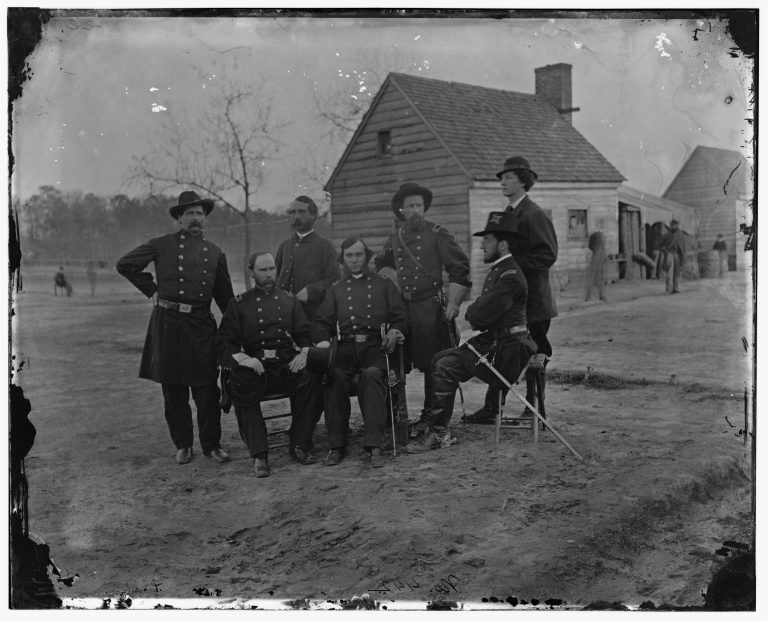
Close to Conflict occupies the entire McCrae Gallery (7,500 sq. ft.) at the Canadian War Museum and takes you on a memorable journey through five main zones. Enhanced by 100 period artifacts and a dynamic design, the narrative flows from zone to zone, balancing historical interpretation of the Civil War with the voices of contemporary experts to emphasize the legacies of the Civil War in Canada.
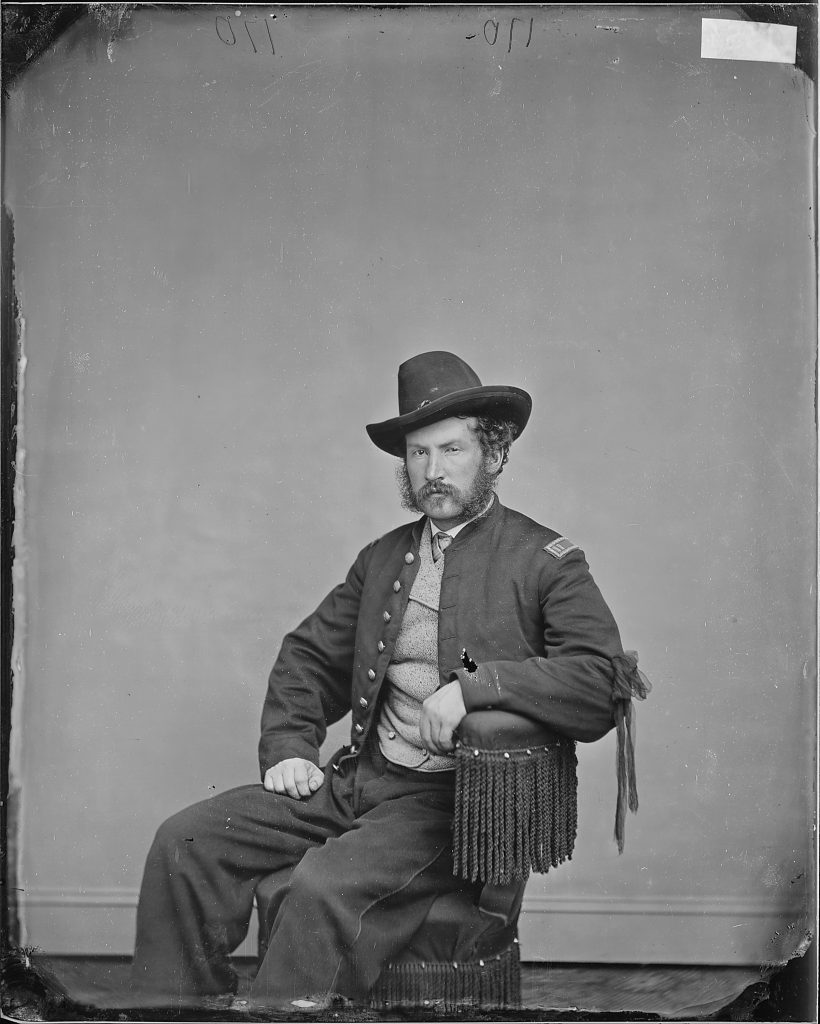
Along the walls surrounding the exhibition, a timeline of the Civil War is presented with open sightlines for visitors to stay oriented throughout their journey. Text and iconic historical photography highlight events and key moments from the era.
Tim concludes, “The timeline, enhanced with imagery and artifacts, wraps around the exhibition. We feel that this is an effective way of communicating that war is always on the horizon; it’s the context for the entire story. What you’re encountering in the heart of the exhibition (where most of the artifacts and main storytelling are) is a response to the constant threat of violence.”
The contemporary perspectives anchoring each zone address each legacy’s relevance today. At the end of this journey into the past, these experts provide their final thoughts; inviting visitors to continue reflecting on how a conflict that ended more than 160 years ago continues to echo in their lives.
Visit warmuseum.ca to learn more about Close to Conflict and plan your journey.
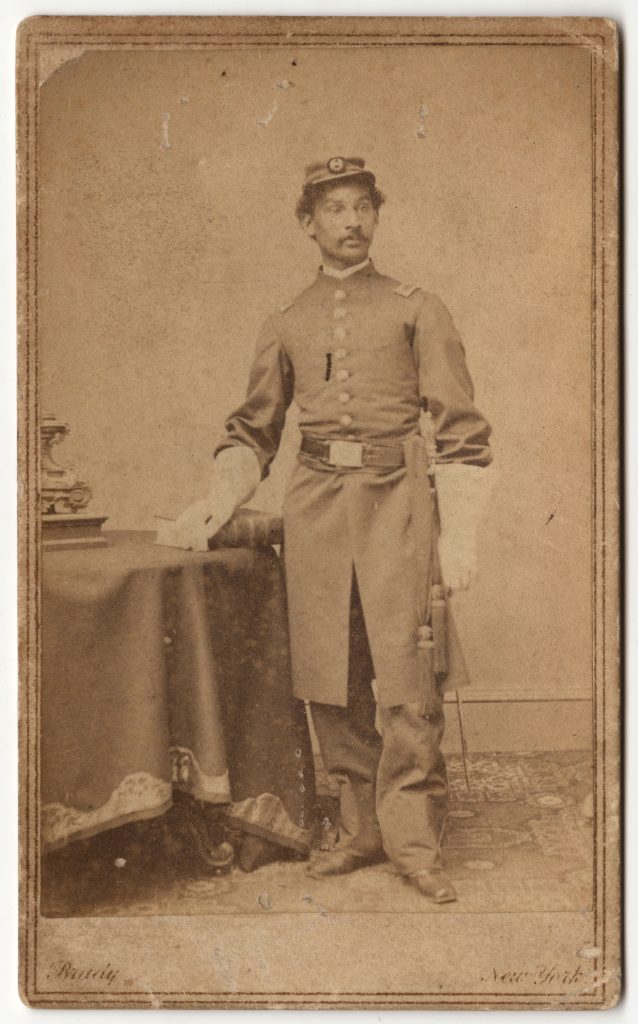
Photo Credit: Born in Toronto, Anderson Ruffin Abbott was educated in Buxton and Toronto and was one of the first Canadian-born Black doctors. Abbott worked as a surgeon for the Union Army in Washington, DC, during the last two years of the Civil War. Photo: Dr. Anderson Ruffin Abbott in the uniform of a Union Army contract surgeon, around 1863. Courtesy: Toronto Public Library, Baldwin Collection of Canadiana, S90, Anderson Ruffin Abbott Archive