Fun Facts about Lobsters
Fun Facts about Lobsters
By Pam Wamback
If you haven’t eaten lobster in Nova Scotia, then you haven’t really eaten lobster! Plucked straight from the sea year-round, lobster is easily found in many restaurants across the province. It’s no wonder Nova Scotia has countless ways to enjoy and celebrate its favourite crustacean.
- Lobsters are both great tasting and nutritious and are a high source of Omega-3 fatty acid – 1 cup of cooked lobster contains about 129 calories!
- Lobsters take 6-8 years to reach market weight (~ 1 lb) and can live upwards of 100 years or more.
- A lobster must molt (shed its shell) to grow. During its first year, a lobster can molt as many as 10 times.
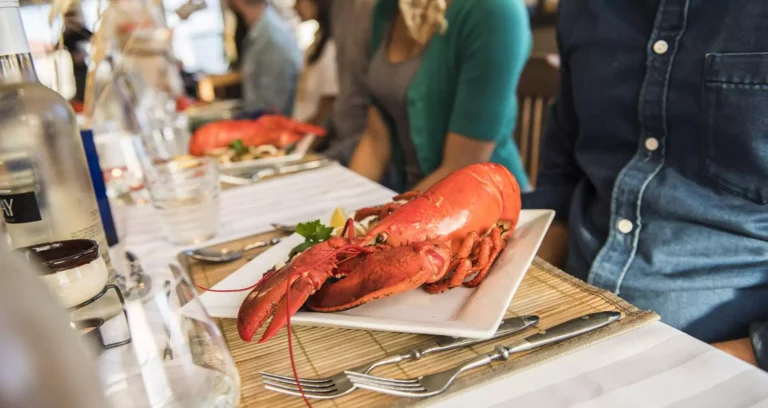
- Lobsters aren’t naturally red. They turn red when they are cooked. Normally live lobsters are brown to olive green in colour but have been known to be yellow or even blue!
- Lobsters chew with their stomachs. They don’t have teeth but instead have a structure called a gastric mill located in their digestive tract that breaks down food as it moves from the lobster’s mouth to its stomach.
- A lobster has two claws – a crusher claw and a pincher claw. The bigger claw is called the crusher claw, and lobsters use it to break up clams, crabs and sea urchins. The pincher claw is used for tearing.
- The largest lobster ever recorded was caught in Nova Scotia in 1977 – it was over 3.5 feet long and weighed 44 pounds!
Tourism Nova Scotia’s Media Relations Specialist Pam Wamback (@ladyloveslobster) grew up in a small rural community in Southwest Nova Scotia surrounded by lobster-fishing family members, so it’s no surprise this succulent crustacean is her favourite! To find out her tips on great eateries serving up lobster in oh so many delicious ways, go to novascotia.com/trip-ideas/stories/how-would-you-your-lobster-served